

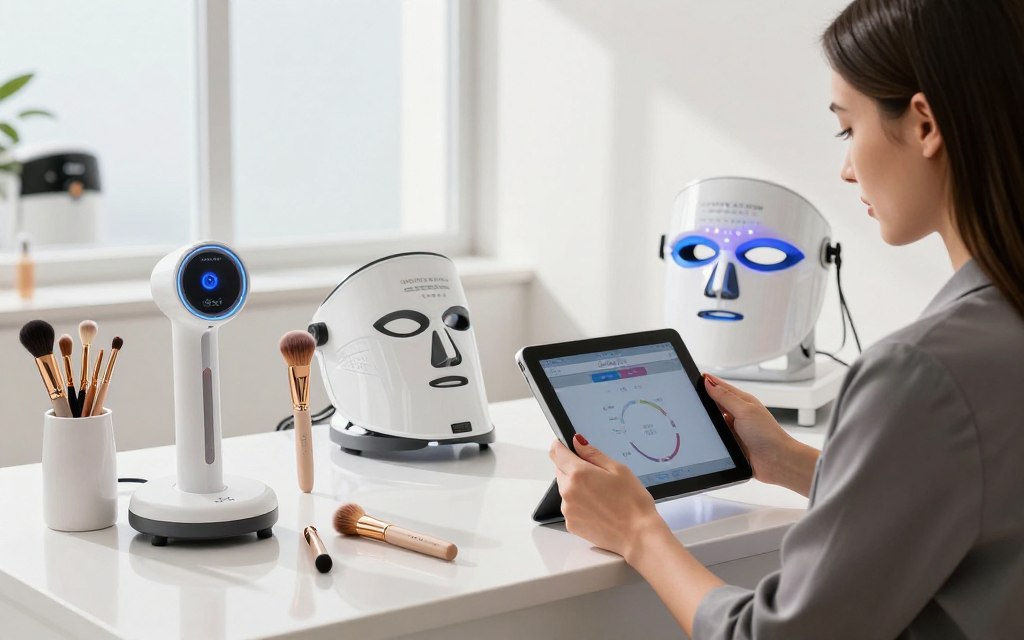
Innovative tools and digital advances are changing beauty work quickly. This shift moves cosmetology beyond traditional methods toward connected, efficient services. Professionals now use advanced devices, artificial intelligence, and virtual experiences to improve client care.
Technology in cosmetology affects each step, from diagnosis through treatment planning and product selection. Digital transformation in beauty speeds service and improves client engagement and education. This article explains how these changes have reshaped the cosmetology landscape.
These advances offer many benefits, but they do not replace licensed professionals. Instead, they improve precision and convenience for cosmetologists, estheticians, and dermatologists. We will explore beauty technology trends, including smart beauty tools, augmented reality, mobile applications, and more.
As innovation grows, the industry must protect data privacy, product safety, and ethical practices. Balancing progress with responsibility remains vital to the beauty industry’s future. The question, how has technology changed cosmetology, guides this discussion.
Key Takeaways
- Innovative tools enhance traditional beauty practices.
- Digital advancements improve client engagement and service delivery.
- Expertise of licensed professionals remains vital in the industry.
- Smart beauty tools and AI are transforming treatment options.
- Data privacy and ethical considerations are essential in this evolution.
1. The Evolution of Cosmetology: A Technological Perspective
The history of cosmetology technology shows how beauty work changed through steady technological progress. Simple hand-operated tools gave way to advanced digital systems, changing how services reach clients. These changes improve efficiency and client satisfaction.
Cosmetology once relied on traditional practices, plant-based preparations, and manual techniques. Professionals used basic tools for hair styling and natural remedies for skincare. They used these methods to achieve desired results before technology progressed.
From Traditional Practices to Modern Innovations
The first major step in modern cosmetology innovations was the arrival of electric styling tools. Electric hair dryers and curling irons changed hairstyling. They saved time and produced more consistent results than manual methods.
Advances in professional beauty tools have also improved skincare treatments. Magnifying lamps and professional facial machines support precise assessments and treatments. These devices reduce reliance on visual assessments alone.
Key Milestones in Beauty Technology
Today, beauty industry technology includes many digital tools. Online booking systems and electronic client records help salons and spas manage services. High-resolution skin imaging gives detailed analysis for tailored treatments.
Related Posts:
- How Teachers Are Using Technology to Create More…

- Interactive Classroom Technology: How It Transforms…

- What Is a Product in Technology From Software to Hardware
- What Is Infrastructure and Technology The Foundation…

- How Technology Has Affected the Medical Field…

- Should Schools Embrace Technology in the Classroom?…

Automated inventory systems help maintain stock levels and keep needed products available for clients. These changes show a gradual, meaningful shift toward modern technology. They blend traditional skills with new systems.
Cosmetology continues on a steady path of innovation. Professionals must assess new products for evidence, safety, usability, and client relevance. Anyone seeking success in beauty needs to understand these advances.
| Milestone | Description | Impact on Cosmetology |
|---|---|---|
| Electric Hair Dryers | Introduced in the early 20th century | Reduced styling time and improved results |
| Professional Facial Machines | Advanced skincare treatments | Enhanced precision in treatments |
| Online Booking Systems | Digital management of appointments | Increased efficiency and customer satisfaction |
| High-Resolution Skin Imaging | Detailed skin analysis technology | Personalized treatment recommendations |
2. Smart Beauty Tools: From Manual to Digital
The beauty industry is changing through smart beauty tools. These devices add technology to traditional practices, making services more efficient and effective. Beauty professionals need to understand connected beauty devices as salon technology grows.
The Rise of Connected Devices
Connected devices are changing how beauty professionals and clients manage their routines. Smart technology now offers tools with precise control and customization.
Smart Hair Dryers and Styling Tools
One major advance is the smart hair dryer. Sensors regulate heat and airflow, reducing damage, improving efficiency, and limiting multiple passes. Still, heat protectants and proper techniques remain necessary because these features cannot guarantee healthier hair.
Intelligent Skincare Devices
On the skincare front, intelligent skincare devices are gaining popularity. Examples include cleansing brushes, LED masks, and microcurrent tools. These consumer-grade devices often track usage and guide routines, improving user experience; professionals must ensure sanitation and supervision. They must also distinguish consumer-grade devices from professional equipment, especially regarding intensity, training, and contraindications.
Benefits of Smart Beauty Tools for Professionals
Smart beauty tools offer many benefits for beauty professionals. They standardize services, record client preferences, show product value, and reduce setup time. Connected technology creates consistent client experiences and supports a more efficient workflow.
Like any technology, maintenance and cybersecurity matter. Professionals should keep devices updated and secure to protect client data. Clear client education also supports successful integration into beauty routines.
3. AI and Machine Learning in Beauty Consultations
Machine learning cosmetology is helping create a new era in beauty consultations with more personal advice. AI in beauty uses questionnaires, purchase histories, and facial images to create tailored beauty recommendations.
Personalized Beauty Recommendations
Personalized beauty recommendations can include product categories, shade families, skincare routines, or appointment types. These suggestions use specific user data and help professionals give clients more useful advice.
“AI empowers beauty consultants to provide tailored solutions that truly resonate with their clients.”
AI-Powered Skin Analysis Tools
AI skin analysis tools make beauty advice more personal. They use image-based algorithms to assess texture, redness, oiliness, pigmentation, and fine lines. These factors affect results, but AI offers insights and should support, not replace, professional examination and medical diagnosis.
Brands Leading the AI Beauty Space
Several beauty technology companies lead the use of AI in their services. L’Oréal has launched digital beauty initiatives, while Estée Lauder focuses on technology-led personalization. Perfect Corp. and ModiFace also stand out for virtual beauty tools and augmented reality solutions.
As AI evolves, professionals must review transparency, consent, data storage, and bias testing. They must also correct inaccurate recommendations to maintain trust. AI serves as a consultation aid that can improve personalization, but it needs human oversight and ethical use.
4. Augmented Reality and Virtual Try-Ons
The beauty sector is changing through augmented reality beauty and virtual try-ons. This Augmented reality (AR) technology lets users view makeup and virtual hair color options in real time, without physical application.
AR Technology in Makeup Applications
AR overlays digital makeup onto a live camera image or uploaded photograph. This approach lets consumers test shades, styles, and products from home. Virtual makeup try-on tools improve shopping and reduce uncertainty about new cosmetics.
Virtual Consultations for Hair and Color
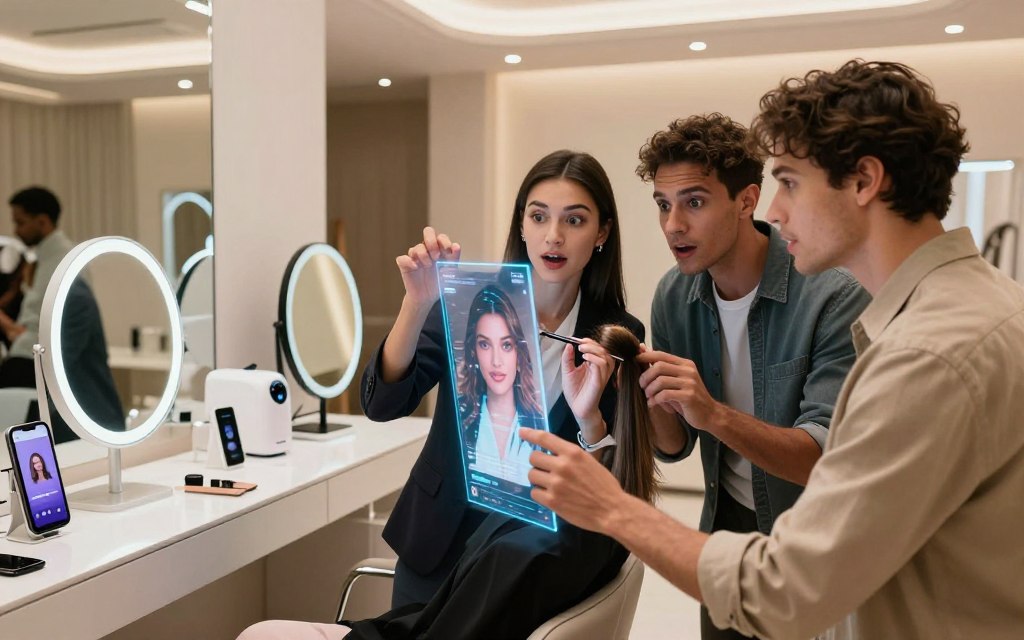
Virtual consultations offer another AR cosmetology use in beauty. Clients can test hairstyles, virtual hair color, and lengths before choosing a service. These digital simulations support discussions about highlights, balayage, and color families.
Impact on Consumer Purchasing Decisions
These tools strongly shape consumer purchasing decisions. They build confidence, support online shopping, and help customers discover products beyond their usual choices. However, they may also encourage impulse buying and unrealistic expectations.
“While AR can enhance the shopping experience, it should be complemented with patch testing and product education,” a salon expert advises.
Salons can use AR during a digital beauty consultation to improve communication and confirm client expectations. This documents agreed goals and connects virtual previews with actual results. Screen calibration, lighting, and hair texture can change results, so professionals must set realistic expectations.
5. How Has Technology Changed Cosmetology in Skincare Treatments
Technology in skincare treatments now helps cosmetologists offer effective, personalized care. The introduction of advanced diagnostic tools helps professionals assess skin conditions and create custom plans. Digital skin analyzers and hydration meters provide precise evaluations for each client.
Advanced Diagnostic Tools and Devices
Modern skincare depends on technology for diagnosis. Professionals use advanced skincare devices, magnification systems, and sebum assessments to study skin health. These tools track visible changes, but readings can change with lighting and skin preparation, so accurate data supports effective plans.
Non-Invasive Treatment Technologies
Non-invasive beauty treatments are popular because they offer results without surgery. LED therapy and microcurrent facials provide important benefits. LED therapy uses light to support healing and renewal, while microcurrent devices stimulate facial muscles for a younger look.
LED Therapy and Microcurrent Devices
LED therapy can address many skin concerns. Follow manufacturer instructions and screen for contraindications to protect clients. A microcurrent facial uses comfortable, effective devices; regular use can show results, and eye protection adds safety.
Ultrasound and Radiofrequency Applications
Ultrasound and radiofrequency skincare technologies are now common in professional treatments. These energy-based devices help infuse products and create temporary tightening effects. They offer cosmetic benefits, but operators must avoid unsupported medical claims, maintain proper training, and sanitize devices to protect clients.
Informed consent is vital before every treatment. Professionals should refer clients to medical experts for unusual skin concerns. With the right tools and techniques, technology has improved the effectiveness and safety of cosmetology skincare treatments.
6. Digital Platforms and Social Media Influence
Digital platforms have changed how social media beauty trends begin and spread across today’s beauty industry. Instagram and TikTok quickly share hairstyles, nail designs, makeup methods, skincare routines, and product launches.
Instagram lets beauty fans share before-and-after content, tutorials, and client transformations. These posts help people discover trends and learn new skills. TikTok beauty trends spread through short videos, speeding trend cycles and helping new techniques go viral.
The Role of Instagram and TikTok in Beauty Trends
Instagram’s visual format makes it ideal for showing beauty trends and supporting Instagram cosmetology marketing. Influencers share product experiences, helping followers make informed choices. TikTok’s algorithm promotes content that connects with viewers, so lesser-known creators can gain visibility quickly.
Influencer Marketing and Beauty Education
Influencer marketing beauty plays a key role in the industry. It includes several groups:
- Professional creators who have built a reputation in the beauty space.
- Licensed beauty practitioners who provide credible advice.
- Celebrity endorsements that attract mass attention.
- Unpaid customer recommendations that foster authenticity.
How Salons Leverage Digital Marketing
Salons can use social media to improve their marketing plans through salon digital marketing. They can use these platforms for:
- Location-based discovery
- Appointment links
- Portfolio development
- Staff introductions
- Service explainers
- Customer reviews
- Seasonal promotions
- Retention campaigns
Salons should track useful measures, including qualified inquiries and conversion rates. They should value strong engagement and customer interactions more than follower counts. They must also make content accessible and moderate comments responsibly for a positive online presence.
For more information about digital marketing practices, read our cookie policy.
7. Mobile Apps and Personalized Beauty Solutions
Mobile apps have changed how consumers manage beauty care. They help users track routines, manage products, and schedule appointments with favorite salons through a personalized beauty app. As technology advances, beauty tracking apps support personalized beauty solutions.
Beauty Tracking and Routine Apps
Beauty tracking apps make skincare and cosmetic routines easier to manage. Users can log daily product use, check skin changes, and receive appointment reminders. A skincare routine app may also offer these features:
- Barcode scanning: Easily input products into the app.
- Ingredient libraries: Learn about product components and their effects.
- Progress photographs: Visually track changes over time.
- Routine alerts: Stay on schedule with reminders.
- Loyalty rewards: Earn points for purchases and referrals.
Subscription-Based Beauty Technology Services
Beauty subscription services are popular because they offer personal experiences. Users may receive tailored products, sample boxes, or virtual coaching sessions. These services often include:
- Recurring product deliveries: Ensure users never run out of their favorite items.
- Personalized sample boxes: Discover new products suited to individual preferences.
- Replenishment reminders: Notifications for when to reorder.
- Technology-enabled loyalty programs: Enhance customer retention through rewards.
Data-Driven Personalization in Cosmetology
Data-driven cosmetology helps professionals tailor recommendations to user preferences and buying patterns. App suggestions may suffer from missing information or inaccurate self-reporting. Salons should choose apps that protect consent, limit data collection, and secure accounts.
Clear privacy policies should let users delete or export their personal information.
Mobile technology supports professional care but does not replace in-person consultations. When salons connect apps with booking and customer relationship systems, clients can enjoy a better experience.
8. 3D Printing and Custom Beauty Products
3D printing cosmetics is changing beauty by making personalized products possible. It creates customized cosmetics for personal shades, textures, and formulas. This approach supports custom makeup manufacturing for clients with specific needs.
Customized Cosmetics Manufacturing
Manufacturers use 3D printing to produce customized beauty products with precision. They can test prototypes and create unique formulas while meeting safety and industry rules. As the method grows, consumers may enjoy more personal choices.
3D-Printed Nail Art and Accessories
3D printing also supports 3D-printed nail art and accessories. Professionals use digital design files to make charms and raised nail patterns. Precise printing boosts creativity and repeats client-approved designs consistently.
Sustainability Benefits of 3D Printing
3D printing offers new options but also brings sustainability challenges. Additive manufacturing can reduce material waste through made-to-order production and limit extra inventory. Yet energy use and specialized materials make responsible sourcing and recyclable inputs vital for sustainable beauty technology.
9. Telehealth and Remote Beauty Consultations
Telehealth has changed beauty consultations. Clients can now get skincare and hair advice from home. This shift adds convenience and expands access through online beauty consultation.
Virtual Dermatology and Skincare Services
Virtual dermatology is changing the beauty industry. Through secure video calls, clients can discuss skin concerns with licensed professionals. These visits support routine check-ins, product tolerance talks, and follow-up appointments.
These services cannot replace in-person examinations when clinically necessary.
During a telehealth skincare consultation, clients can upload photos and complete digital intake forms. This information helps dermatologists offer tailored advice. Virtual visits can address acne, dryness, and other skin issues while improving access to professional insight.
Remote Hair Consultation Platforms
Remote hair consultation platforms can also transform beauty services. Clients can discuss their cut, color, and texture. These talks help prepare clients for in-person appointments and support better service.
Regulatory Considerations in the US Market
As telehealth grows, understanding US beauty regulations is essential. Professionals must follow state licensing requirements and scope of practice. Informed consent, client identity verification, and documentation protect privacy and support HIPAA standards.
Professionals must use secure platforms to protect client information. Advertising standards also apply, so professionals must describe services responsibly. Telehealth adds convenience, but clear boundaries and referral paths remain vital for complex cases.
10. The Future of Cosmetology: Emerging Technologies
The future of cosmetology is changing as new technologies enter the beauty industry. These tools may reshape beauty services and products.
Biotechnology and Lab-Grown Ingredients
Biotechnology is helping create lab-grown skincare ingredients. This process uses fermentation and cellular agriculture to make bioengineered compounds. These biotechnology beauty ingredients can be effective, sustainable, consistent, and resource-efficient.
However, lab-grown does not always mean safe or effective. Ingredient stability, sourcing, testing, labeling, and regulatory compliance remain essential. As the industry changes, experts must assess these factors closely to protect consumers.
Robotics in Salon Environments
Robotics may strongly shape the future of cosmetology. Salon robotics can improve salon efficiency through applications such as:
- Automated shampoo stations
- Robotic inventory management
- Precision dispensing of products
- Cleaning assistance
- Appointment check-in systems
These technologies can streamline operations. However, services needing communication, creativity, and empathy will likely remain human. The artistry of beauty professionals remains irreplaceable.
Preparing Beauty Professionals for Tomorrow
Beauty professionals need ongoing education to thrive in this changing field. Training in device operation, digital consultations, and data privacy will be vital. Cybersecurity, evidence evaluation, content creation, and business analytics can support cosmetology technology careers.
Beauty businesses should choose technology with care. They should run pilot tests, train staff, review accessibility, collect client feedback, and set measurable performance goals. By joining human artistry with managed technology, the future of cosmetology can stay innovative and personal.
11. Conclusion
The impact of technology on cosmetology is profound and wide-ranging. Digital beauty innovation is reshaping the industry, so beauty professionals must adapt to stay relevant. Smart devices, AI tools, and augmented reality have changed service delivery, client experiences, and salon efficiency.
A future-ready salon embraces these changes and adds advanced technology to daily practice. Understanding cosmetology industry trends helps professionals succeed in this competitive field. Training in beauty professional technology skills helps practitioners use these tools well, meet client needs, and maintain high service standards.
When salons assess new technology, privacy, accessibility, and return on investment remain crucial. Successful beauty professionals choose innovations that improve client outcomes and build trust. This balance between technology and personal touch will define cosmetology’s future.
Looking ahead, collaboration between human expertise and digital tools will shape the industry. As technology transforms cosmetology, professionals must protect the creative, personal, and relationship-driven foundation of this profession.